From Shelf to Sea: Tracing the Catastrophic Journey of a Single Disposable Bottle
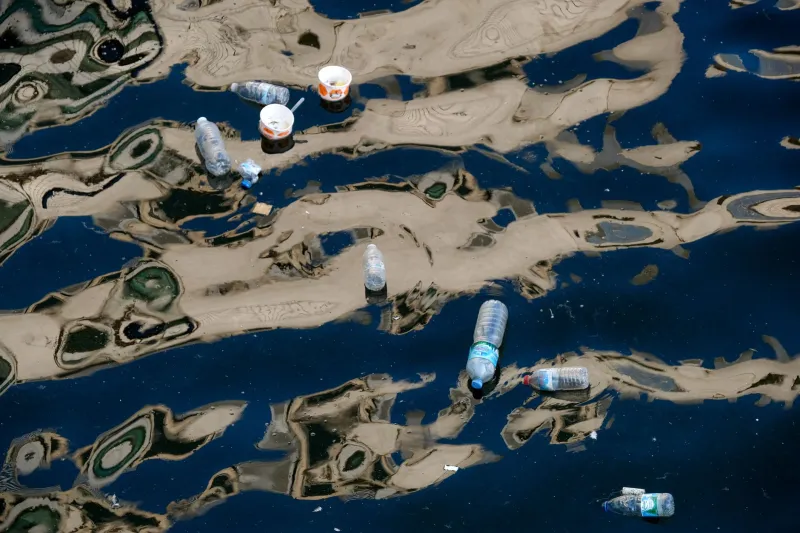
A single plastic water bottle purchased at a convenience store in Columbus, Ohio, carries within it the blueprint of a global environmental catastrophe. By following that bottle through every stage of its life—from factory floor to ocean floor—we can identify the precise moments where our systems fail and where meaningful intervention remains possible. Understanding this journey is not merely an academic exercise; it is the foundation upon which every credible solution to aquatic plastic pollution must be built.
Born from Fossil Fuels: The Manufacturing Origin
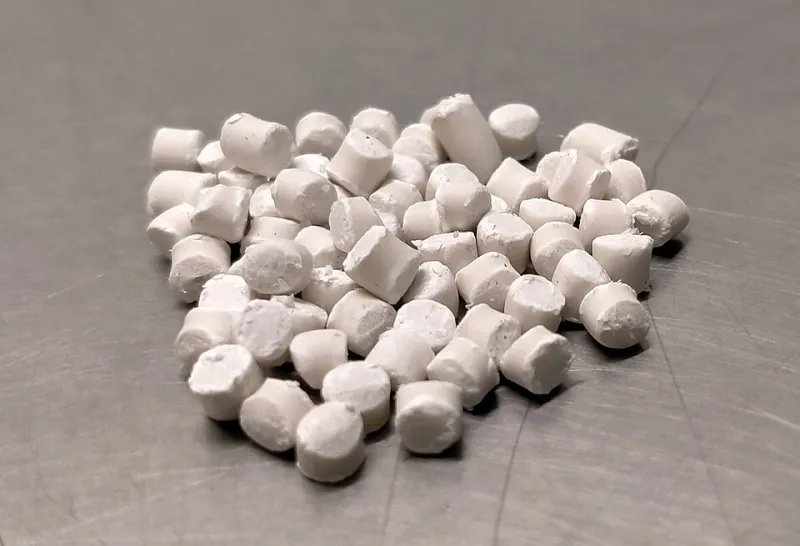
Our bottle begins not on a store shelf but deep beneath the earth's surface, embedded in petroleum deposits that will be extracted, refined, and chemically transformed into polyethylene terephthalate—the resin we know as PET. This process alone generates substantial greenhouse gas emissions and, critically for our purposes, produces significant volumes of plastic resin pellets, or nurdles, that are transported between facilities across the country.
At each transfer point—from petrochemical plant to bottle manufacturer—these raw pellets risk spilling into surrounding drainage systems. Facilities near waterways in states like Texas, Louisiana, and South Carolina have documented histories of pellet releases that flow directly into tributaries feeding the Gulf of Mexico and the Atlantic. Before a single consumer ever touches the finished product, the raw materials from which it is made have already created ecological exposure.
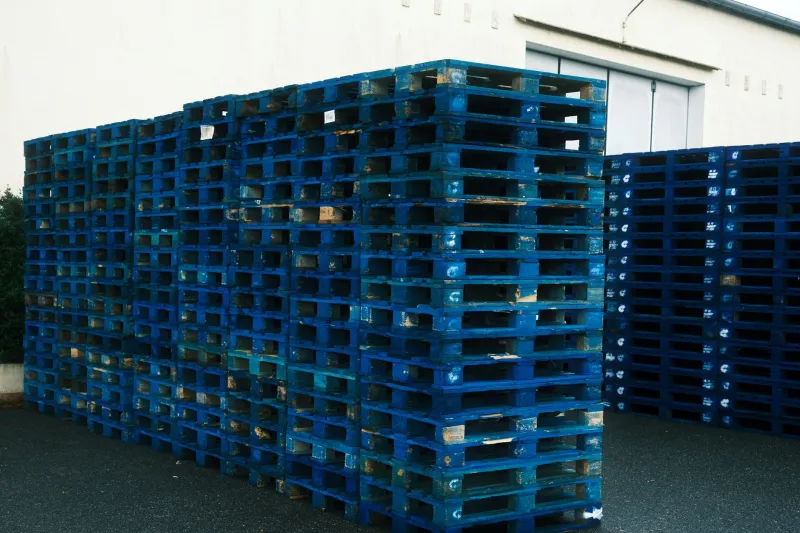
The bottle is molded, filled, labeled, and shrink-wrapped into retail-ready packaging. Additional plastic in the form of stretch wrap, pallets, and strapping bands accumulates at every distribution stage. Most of this secondary packaging is handled far less carefully than consumer-facing products and enters waste streams at elevated rates.
The Purchase Moment: A Missed Opportunity
At the point of sale, the consumer holds what appears to be a simple convenience item. In reality, that bottle represents a compressed set of policy decisions—about extended producer responsibility, deposit-return systems, and municipal recycling infrastructure—that have largely been made without the consumer's knowledge or consent.
The United States remains one of the only developed nations without a national bottle deposit system. In states with bottle bills—Michigan, Oregon, California, and ten others—return rates for PET bottles range from 80 to over 90 percent. In states without such programs, that figure collapses to roughly 30 percent or below. The geography of a single purchase, therefore, dramatically alters a bottle's statistical likelihood of ever being recovered.
This is the first major intervention point: deposit-return legislation that attaches a financial incentive to recovery. Its absence across the majority of American states is not an oversight but a policy failure with measurable downstream consequences.
The Disposal Decision: Where Most Bottles Are Lost
Statistics from the Environmental Protection Agency and the Recycling Partnership consistently show that fewer than one in three plastic bottles sold in the United States is ultimately recycled. The remainder enter one of several pathways, each carrying its own risk profile for aquatic contamination.
Bottles deposited in curbside recycling bins face sorting challenges, contamination rejections, and export uncertainties that frequently result in landfill disposal despite a consumer's best intentions. Bottles placed in general trash are transported to municipal solid waste facilities, where they are compacted and deposited in lined landfills—structures that are engineered to contain waste but that leak with statistical regularity over decades of operation. Studies published in peer-reviewed environmental science journals have documented measurable plastic fragment migration from landfill boundaries into adjacent soil and groundwater systems.
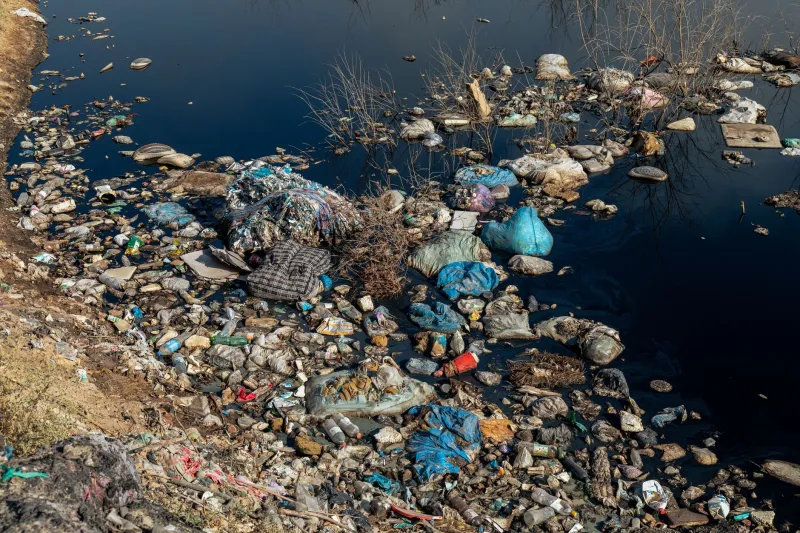
But landfill disposal is not the worst outcome. An estimated eight million metric tons of plastic enter the world's oceans annually, and a disproportionate share originates not from deliberate dumping but from mismanaged waste—bottles that miss trash receptacles, escape from overfilled collection vehicles, or blow from unsecured landfill cells during wind events. In densely populated American cities situated near major rivers—Chicago along the Chicago River, New York along the Hudson, Houston along Buffalo Bayou—the distance between a discarded bottle and a navigable waterway can be measured in city blocks.
River Corridors: The Inland Highway to the Ocean
Once a bottle reaches a stormwater drain, a creek, or a river's edge, it enters a transport system of remarkable efficiency. American river systems are hydrologically connected to every major coastal zone in the country. The Mississippi River basin alone drains 40 percent of the continental United States, delivering water—and whatever travels within it—to the Gulf of Mexico.
Along this inland highway, the bottle undergoes physical stress. Ultraviolet radiation from sunlight begins breaking polymer chains at the molecular level. Mechanical abrasion against rocks, sandbars, and riverbanks fractures the bottle's walls. What began as a single, intact container begins shedding microplastic fragments—particles smaller than five millimeters—that disperse into the water column and sediment, becoming effectively impossible to retrieve through any known collection technology.
This fragmentation process is the critical threshold beyond which remediation becomes exponentially more difficult. Every day a bottle spends in a river system increases the number of particles it ultimately contributes to the marine environment. Speed of intervention is not merely preferable; it is mathematically decisive.
Arrival in the Marine Environment: The Point of No Return
When our bottle—or what remains of it—reaches the ocean, it enters a system where dilution, current dynamics, and biological interaction conspire against recovery. Large fragments may be captured by offshore current gyres, accumulating in convergence zones like the North Pacific Subtropical Gyre, more commonly known as the Great Pacific Garbage Patch. Smaller particles sink into the water column or are ingested by marine organisms.
Scientific literature documents microplastic presence in species across the marine food web, from zooplankton to blue whales, and in commercial fish stocks harvested for American dinner tables. The bottle that was filled with water for human consumption has, through a series of compounding failures, become a source of contamination for the water systems and food chains on which human health depends.
Identifying the Leverage Points
The journey described above is not inevitable. It is the product of specific, addressable decisions made at each stage of the bottle's life cycle. Meaningful reduction in ocean plastic pollution requires simultaneous action across multiple points:
At the production stage, extended producer responsibility legislation—already enacted in several European nations and gaining legislative traction in states including California and Maine—shifts the cost of end-of-life management back onto manufacturers, incentivizing investment in more recoverable or refillable packaging formats.
At the point of sale, national deposit-return legislation would immediately elevate recovery rates across the country, removing hundreds of millions of bottles annually from the waste stream before they can reach waterways.
At the waste management stage, investments in stormwater capture infrastructure, improved landfill containment standards, and expanded access to convenient recycling collection would reduce the proportion of bottles entering open environments.
At the consumer level, awareness of the deposit-return landscape, support for refillable container programs, and advocacy for producer responsibility policies represent meaningful contributions that aggregate into systemic pressure.
The Systemic Imperative
The story of one plastic bottle is, ultimately, the story of approximately 50 billion plastic bottles consumed in the United States each year. Each one traces a path shaped by the same infrastructure gaps, the same policy absences, and the same economic incentives that have allowed single-use plastic to colonize American consumer culture for decades.
Quick fixes—cleanup events, individual pledges, voluntary corporate targets—address the symptoms of a system that is structurally misaligned with environmental sustainability. The ocean plastic crisis will not be resolved through goodwill alone. It will be resolved when the economic and regulatory architecture surrounding plastic production, distribution, and disposal is redesigned to make recovery the path of least resistance rather than the exception.
That redesign is possible. The evidence from deposit-return states, from producer responsibility frameworks abroad, and from communities that have invested in integrated waste management systems demonstrates that the trajectory of a plastic bottle can be altered. The question is not whether we possess the technical capacity to intervene. The question is whether we will summon the collective will to do so before the ocean absorbs the cost of our delay.