Circuits, Casing, and Contamination: How Your Next Upgrade Is Feeding the Ocean Plastic Crisis
Every eighteen months, on average, an American purchases a new smartphone. The marketing cycle frames that transaction as progress — a faster processor, a sharper camera, a sleeker profile. What it rarely frames is the environmental cost embedded in the device's physical form: a chassis built primarily from polycarbonate and ABS plastic, internal components sealed with epoxy resins, cables sheathed in PVC, and packaging layered with plastic film. Multiply that single purchase by the roughly 150 million smartphones sold in the United States annually, and the scale of the industry's plastic dependency becomes difficult to ignore.
What is even harder to see — because it happens thousands of miles away, inside factory complexes most Americans will never visit — is where much of that plastic first enters the aquatic environment.
The Manufacturing Chain Nobody Talks About
The dominant narrative around ocean plastic focuses on consumer behavior: single-use bottles discarded on beaches, plastic bags swept into storm drains, packaging left in parking lots. That narrative is accurate as far as it goes, but it consistently omits the industrial origins of plastic pollution embedded in global supply chains.
Electronics manufacturing is among the most plastic-intensive industrial sectors on earth. The production of a single smartphone requires plastic resins, polymer adhesives, and synthetic coatings at multiple stages of assembly. Factories in China, Vietnam, Malaysia, and other manufacturing hubs that produce components for American brands generate substantial volumes of plastic scrap, resin waste, and process water contaminated with polymer particles. Environmental oversight at many of these facilities falls well short of what would be required under U.S. law, and wastewater treatment infrastructure is frequently inadequate to capture the fine plastic particles generated during molding, cutting, and polishing operations.
Research published in environmental science journals has documented elevated concentrations of microplastics in rivers and coastal zones adjacent to electronics manufacturing clusters in Southeast Asia — the same regions that supply the global tech industry. The connection between factory effluent and downstream aquatic contamination is not speculative; it is measurable and documented. What remains largely invisible to American consumers is the extent to which their purchasing decisions are upstream, in every sense, of that contamination.
From Assembly Line to American Waterways
The plastic pollution story does not end when a device ships. It intensifies when the device dies.
The United States generates more electronic waste per capita than almost any other nation. The Environmental Protection Agency estimates that Americans discard upwards of 40 million metric tons of electronics annually, though reliable national figures are notoriously difficult to pin down because e-waste tracking remains inconsistent across states. Of the devices that are nominally recycled, a significant portion is exported — often to the same countries where the devices were manufactured — where informal dismantling operations break apart plastic casings, circuit boards, and cables with minimal environmental protection.
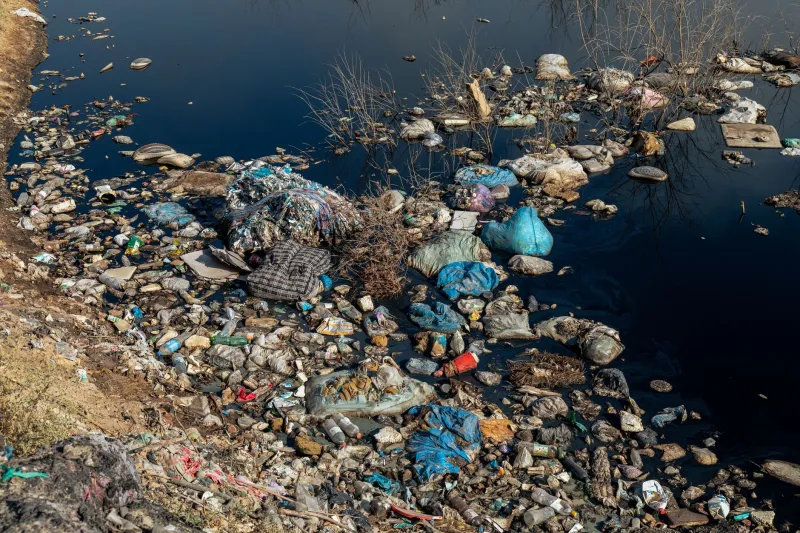
In informal e-waste processing sites documented by researchers in Ghana, Nigeria, and parts of South and Southeast Asia, plastic components are frequently burned to recover metals, releasing toxic compounds and leaving behind plastic ash and residue that washes into local waterways during rain events. The plastic that was manufactured under one set of environmental conditions is discarded under far worse ones, and the ocean ultimately receives the residue of both transactions.
Even within the United States, the picture is troubling. State-level e-waste recycling laws vary enormously in scope and enforcement. Several states have no mandatory e-waste recycling program at all. Devices deposited in big-box retailer take-back bins or mailed through manufacturer programs frequently pass through multiple intermediary handlers before reaching a certified processor — and at each handoff, the chain of custody becomes less transparent and the risk of improper handling increases.
The Polymer Problem Inside the Device
Beyond the question of end-of-life disposal, there is a less-examined issue embedded in the device itself: the chemical complexity of the plastics used in consumer electronics makes them extraordinarily difficult to recycle in any meaningful way.
Modern smartphones contain as many as a dozen distinct plastic polymers, often bonded together with adhesives, embedded with flame retardants, or reinforced with glass or carbon fiber. This material heterogeneity is a deliberate design choice — it produces the slim, durable, aesthetically refined devices consumers expect — but it is anathema to conventional recycling systems. Facilities capable of separating and processing the polymer mix found in a disassembled smartphone are rare and expensive to operate. The practical result is that most of the plastic in a recycled device ends up downcycled into low-grade applications or landfilled.
When landfilled plastic leaches — through liner failures, flooding, or the gradual weathering of improperly capped sites — the polymer fragments it releases enter groundwater and eventually reach rivers and coastal zones. The flame retardants and plasticizers bound into electronics-grade polymers make this leachate particularly hazardous to aquatic organisms.
What the Industry Owes the Ocean
Several major technology companies have announced sustainability commitments that touch on plastic use. Apple has pledged to eliminate certain virgin plastics from its packaging. Dell and HP have incorporated ocean-collected plastics into select product lines. These initiatives are not without value, and Aqua Plastics Watch has covered the emerging market for ocean-recovered materials with cautious optimism.
But packaging pledges and ocean-plastic product lines do not address the structural problem: the plastic inside the device, the plastic waste generated during its manufacture, and the plastic released during its disposal remain largely outside the scope of corporate sustainability commitments. Extended producer responsibility frameworks — which would require electronics manufacturers to fund proper end-of-life management for the devices they sell — have gained traction in Europe but remain politically contested in the United States, where industry lobbying has consistently blunted federal action.
The gap between what companies announce and what supply chain audits actually reveal is a recurring theme in environmental accountability journalism, and the electronics sector is no exception. Meaningful reform will require binding disclosure requirements for plastic use across the full product lifecycle, not merely at the retail packaging stage.
The Consumer's Unseen Footprint
For American consumers, the connection between a smartphone upgrade and ocean pollution is not intuitive. The device is sleek, lightweight, and arrives in packaging that increasingly features recycled paperboard. Nothing about the unboxing experience signals environmental cost.
That invisibility is precisely the problem. The plastic footprint of consumer electronics is real, substantial, and distributed across a global supply chain that is designed — whether by intent or indifference — to keep its environmental consequences out of sight.
Extending the life of a device by even one additional year meaningfully reduces the demand signal that drives new production and the waste stream that follows. Supporting federal extended producer responsibility legislation, advocating for stronger e-waste export controls, and choosing brands that disclose full lifecycle plastic data are all levers available to informed consumers.
The ocean does not distinguish between a plastic bottle and a polycarbonate smartphone casing. Both arrive as fragments. Both persist. The electronics industry has been permitted to externalize its plastic costs long enough.